


How to Choose Lightweight Protective Packaging for Fragile Products
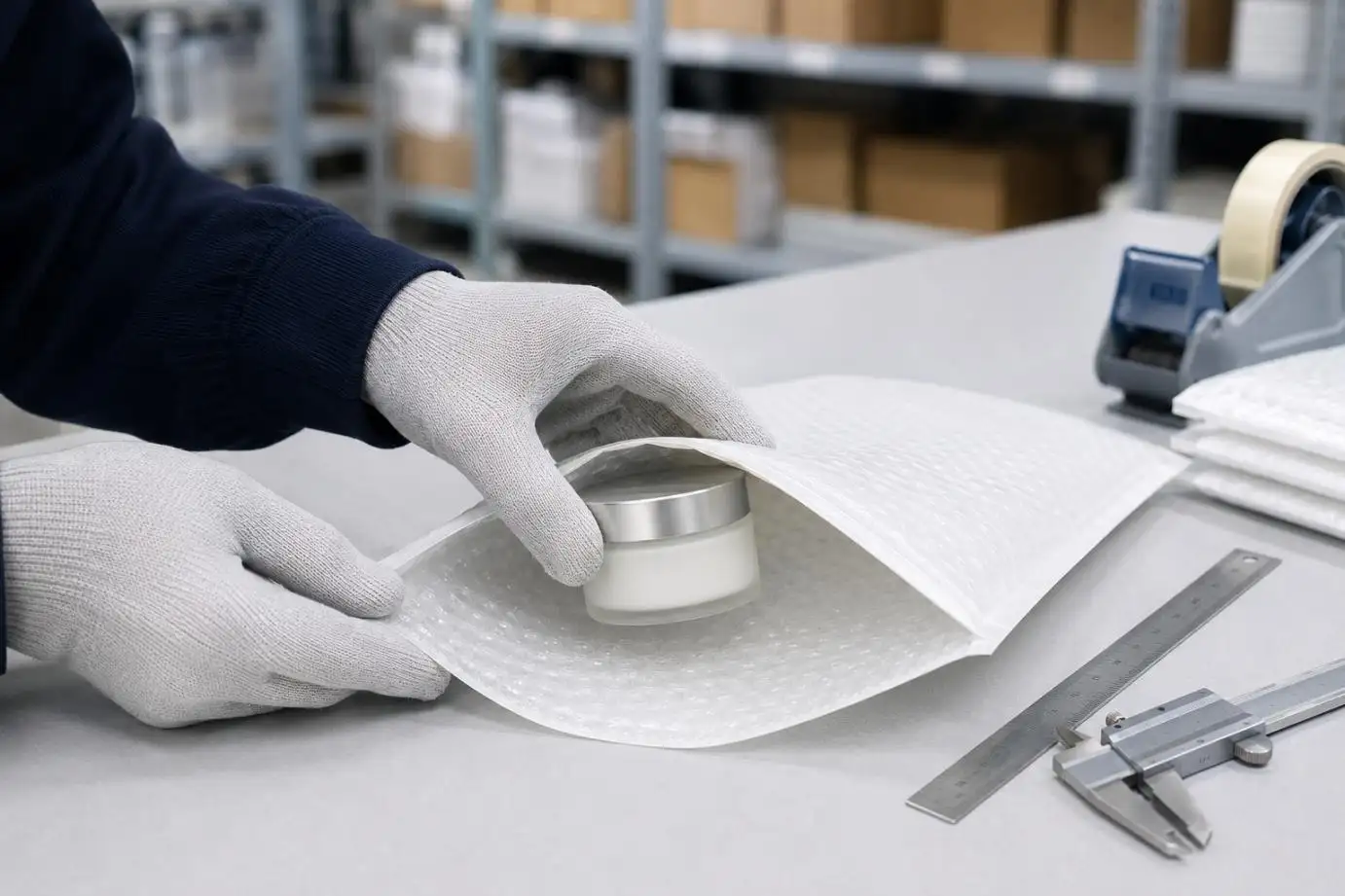
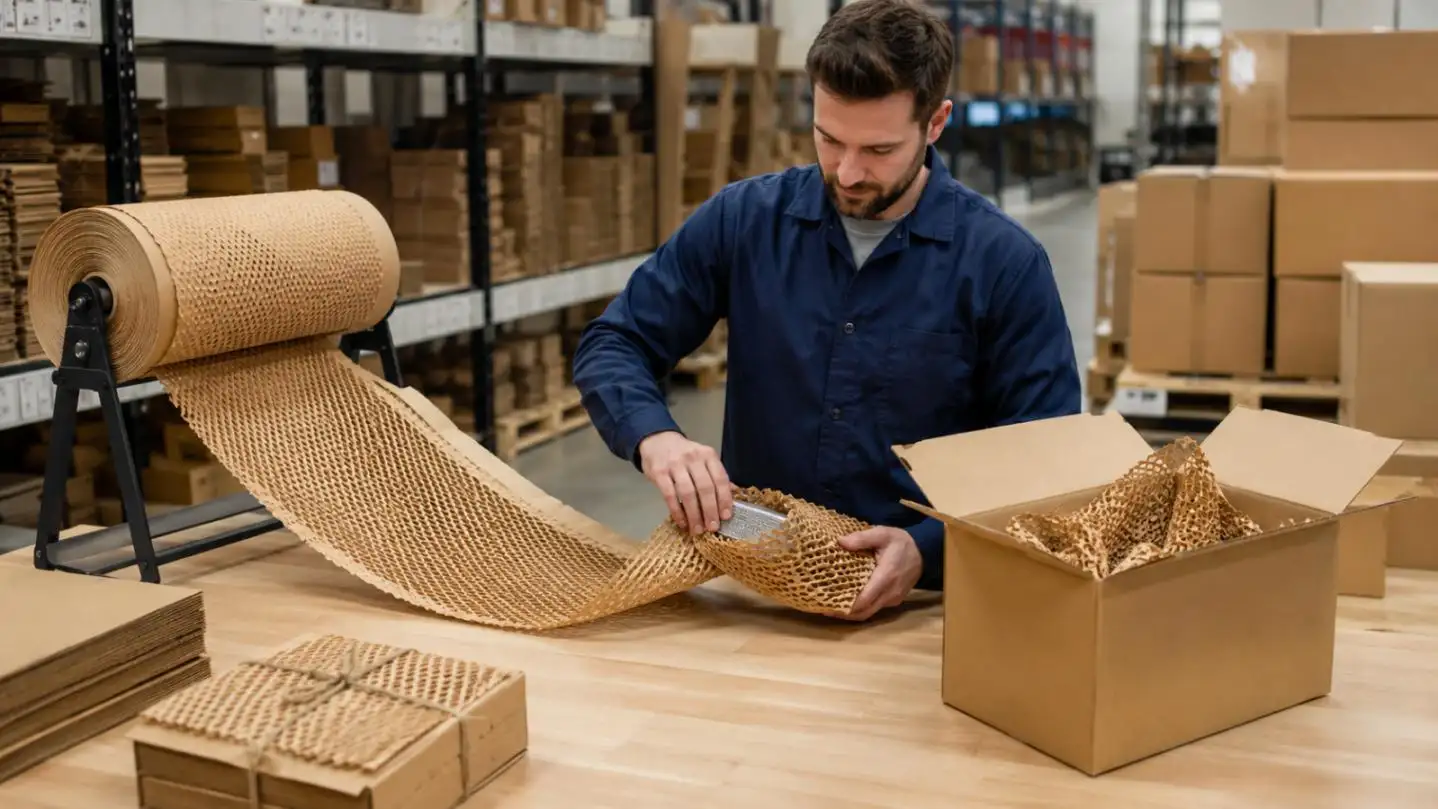
Selecting Lightweight Protective Packaging for fragile products is a protection-engineering decision, not simply a material-reduction exercise. The package must control movement, absorb impact, resist puncture, maintain closure and avoid unnecessary parcel weight.
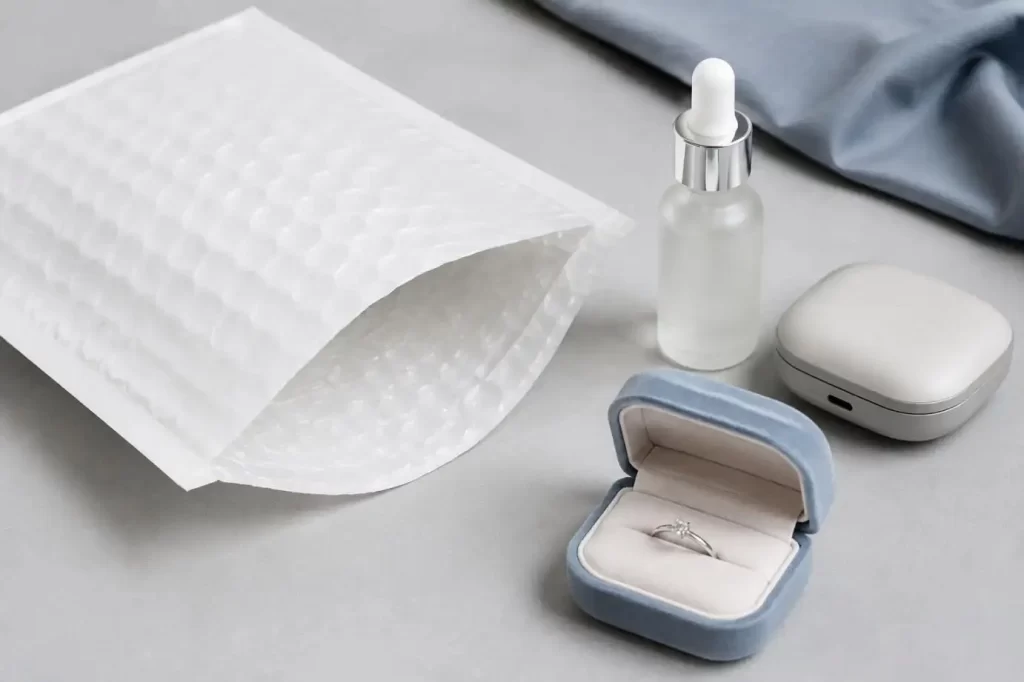
At GT GROUP, we begin with the product's likely failure mode and distribution environment. Only then do we define the mailer size, polyethylene film structure, air-cell cushioning and sealing requirements.
Define What "Fragile" Means for the Product
Different products fail in different ways. A glass ornament may fracture after one impact, while an electronic accessory can appear undamaged but suffer internal failure. A polished component may tolerate impact but not abrasion.
| Fragility category | Typical failure | Packaging requirement |
| Breakage-sensitive | Cracking or fracture | Impact absorption and rigid support |
| Shock-sensitive | Internal functional damage | Controlled deceleration |
| Scratch-sensitive | Surface marks or coating damage | Movement control and surface separation |
| Crush-sensitive | Denting or deformation | Compression-resistant structure |
| Puncture-risk | Film penetration or seam loading | Stronger film and edge protection |
For engineered products, fragility may be expressed as the maximum acceleration—or G-level—the product can tolerate. A lower allowable G-level generally means the product needs more carefully designed cushioning.
In practice, many e-commerce products do not have formal fragility data. In that case, we recommend using samples, previous damage records and representative drop tests to establish an acceptable Lightweight Protective Packaging specification.
Build a Distribution Hazard Profile
Packaging should reflect how the parcel will actually be handled. Important inputs include:
• Packed-product weight
• Expected drop height and orientation
• Number of sorting and transfer points
• Vibration during road or air transport
• Compression from heavier parcels
• Exposure to sharp surrounding packages
• Temperature and humidity during storage
• Replacement cost and acceptable damage rate
A longer route is not always more severe than a short route. Multiple fulfillment centers, automated sorting and mixed parcel weights may produce greater risk than transport distance alone suggests.
Determine Whether a Mailer Is Appropriate
Lightweight Protective Packaging is most effective for products that need moderate impact and surface protection but do not require the package to carry stacking loads.
| Packaging format | Impact protection | Crush resistance | Parcel weight | Best use |
| Plain poly mailer | Low | Low | Very low | Flexible, non-fragile goods |
| Poly bubble envelope | Moderate | Limited | Low | Small, lightweight, non-crush-sensitive goods |
| Corrugated box with cushioning | Configurable | High | Higher | Heavy, highly fragile or compression-sensitive goods |
This distinction is important. A bubble envelope can reduce material, void fill and packing time, but it cannot provide the structural strength of a corrugated box.
At GT GROUP, we generally position poly bubble envelopes for accessories, cosmetics, gifts, stationery, gadgets and handmade products. Glass, heavy metal parts and crush-sensitive equipment often require rigid secondary packaging.
Specify Cushioning by Performance
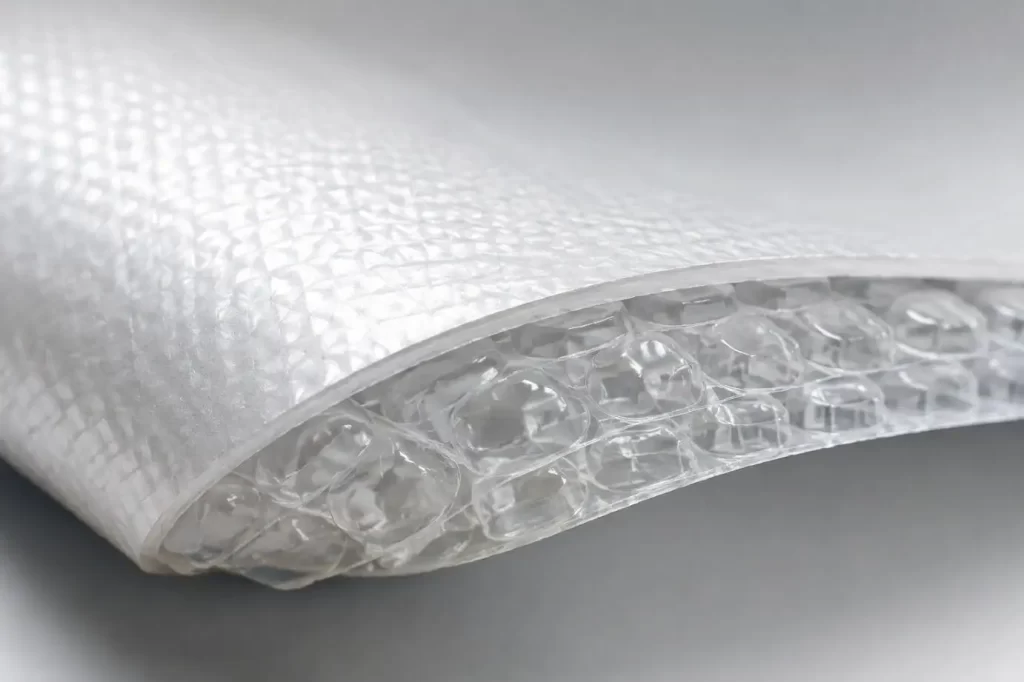
Air-cell cushioning reduces shock by deforming under impact and extending the time over which force reaches the product. However, visible bubble size alone does not establish protection performance.
Evaluate These Cushioning Variables
• Bubble diameter and height
• Cell-wall thickness and uniformity
• Air retention over time
• Product weight and bearing area
• Available cushioning thickness
• Lamination stability
• Resistance to repeated compression
A critical failure condition is bottoming out. This occurs when the air cells compress completely and the product receives little remaining cushioning. Heavy products or concentrated contact points increase this risk.
For precision applications, cushioning should be selected using product fragility, static loading and expected drop severity. Where formal cushioning curves are unavailable, the actual packed product should be tested rather than relying on nominal thickness.
The GT GROUP Poly Bubble Envelope combines a pearlized polyethylene outer film with distributed sealed air cells. Heat lamination bonds the layers into a flexible composite, allowing the exterior film and internal cushioning to function as one package.
Right-Size the Package
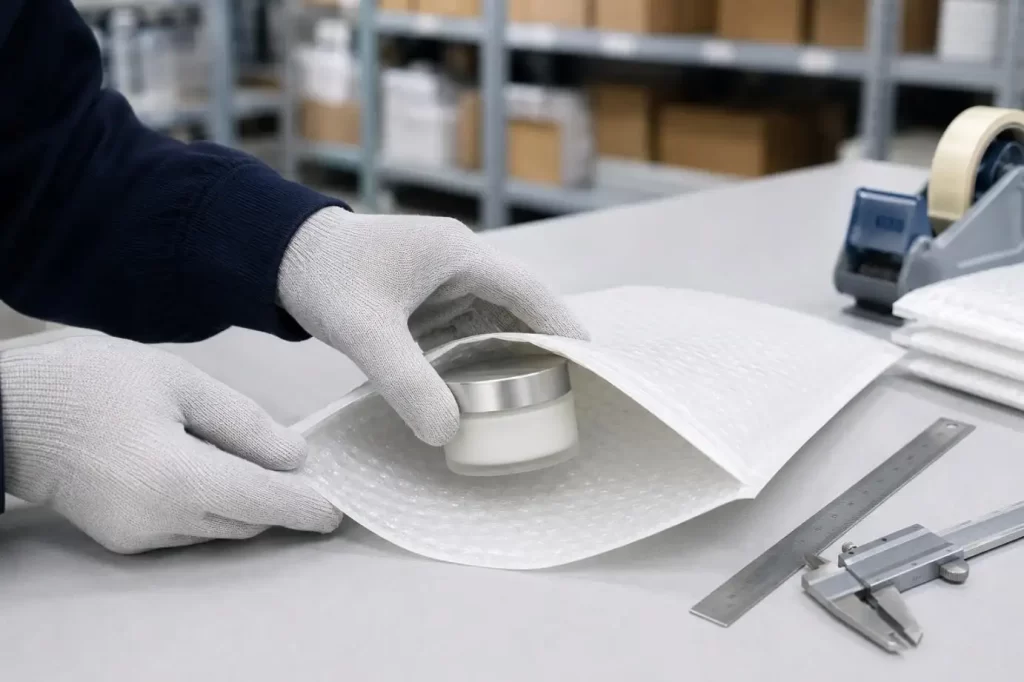
Correct sizing is essential to Lightweight Protective Packaging performance. Excess space allows the product to accelerate inside the mailer, while an undersized bag can compress the bubbles and overload the seams.
For a rectangular product, an initial estimate is:
Internal width ≈ product width + product thickness + loading allowance
Internal length ≈ product length + product thickness + closure allowance
Buyers should specify usable internal dimensions rather than relying only on external bag size. Edge seals, bubble height and the adhesive flap reduce usable capacity.
For irregular products, also check:
• Sharp or protruding features
• The orientation used during packing
• Accessories packed beside the main product
• Local pressure points
• Whether the product can rotate after sealing
GT GROUP can convert the flexible film-and-bubble structure into different bag dimensions, but we recommend approving the size with the complete packed product.
Separate Film Strength from Cushioning Thickness
A professional Lightweight Protective Packaging specification should not use "thickness" as a single general value.
| Specification | What it controls | What to verify |
| Outer-film gauge | Tear, abrasion and puncture resistance | Thickness tolerance and pinholes |
| Bubble profile | Shock absorption | Diameter, height and air retention |
| Total caliper | Overall package profile | Measurement method |
| Lamination | Composite integrity | Wrinkling, delamination and bonding |
| Edge seal | Bag strength | Seal width and continuity |
| Closure adhesive | Package security | Initial tack and holding performance |
GT GROUP's production sequence includes polyethylene-film extrusion, bubble forming, heat lamination, cutting and bag sealing. Managing these stages as one process helps control layer alignment, bag formation and seal consistency.
Custom printing should be specified separately from mechanical performance. Artwork coverage, color requirements and surface finish can affect production parameters but do not replace cushioning or seal validation.
Match the Package to the Product Risk
| Product | Main risk | Recommended approach |
| Cosmetics | Impact, leakage, cap damage | Bubble envelope plus separate leak control |
| Small electronics | Shock, static, compression | Bubble cushioning; verify ESD needs separately |
| Jewelry or gifts | Scratching and movement | Close-fitting mailer with surface separation |
| Handmade products | Irregular geometry | Custom sizing and local edge protection |
| Glass products | Fracture and stacking pressure | Engineered cushioning inside a rigid box |
Claims such as waterproof, anti-static or tamper-evident should only be used when the selected construction has supporting specifications or test evidence.
Projects may use ISTA 3A for parcel simulation, ASTM D5276 for free fall drops or ASTM F88/F88M for seal strength. The test methods and acceptance values must be agreed upon prior to the manufacturing of the product.
Develop Lightweight Protective Packaging with Measurable Requirements
An appropriate RFQ includes product dimensions, packed weight, points of fragility, shipping route, anticipated shipment quantities, internal bag size, artwork and required assessments.
GT GROUP can work with the aforementioned ingredients to develop Lightweight Protective Packaging based on poly bubble envelopes. Should you be initiating a new shipping project, please send our team the product and shipping requirements so that we can assess the protective packaging, sample configuration, and plan for the evaluation of the protective packaging.
FAQs
Q1. How does GT GROUP's poly bubble envelope provide protection?
It combines a pearlized polyethylene outer film with sealed air-cell cushioning. Heat lamination bonds the layers into a flexible composite structure for surface and moderate impact protection.
Q2. Can GT GROUP customize the size of poly bubble envelopes?
GT GROUP can evaluate different bag dimensions based on product size and packing direction. The usable internal dimensions should be confirmed through samples before bulk production.
Q3. Does GT GROUP support custom logos and printed designs?
Yes. The GT GROUP Poly Bubble Envelope supports logo and custom-design input. Buyers should submit print-ready artwork and confirm color, coverage, position and surface requirements.
Q4. What products are suitable for GT GROUP poly bubble envelopes?
Typical applications include accessories, cosmetics, small gadgets, gifts, stationery and handmade products that require cushioning but do not need strong rigid support.
Q5. Can GT GROUP help determine whether a bubble envelope or box is more suitable?
GT GROUP can review the product's weight, fragility, geometry and transport conditions. Crush-sensitive, heavy or highly fragile products may still require a corrugated box with additional cushioning.
Share on Social:


- PREV: Peel And Stick Insulation Roll for RV and Camper Interior Insulation
- NEXT: Null
